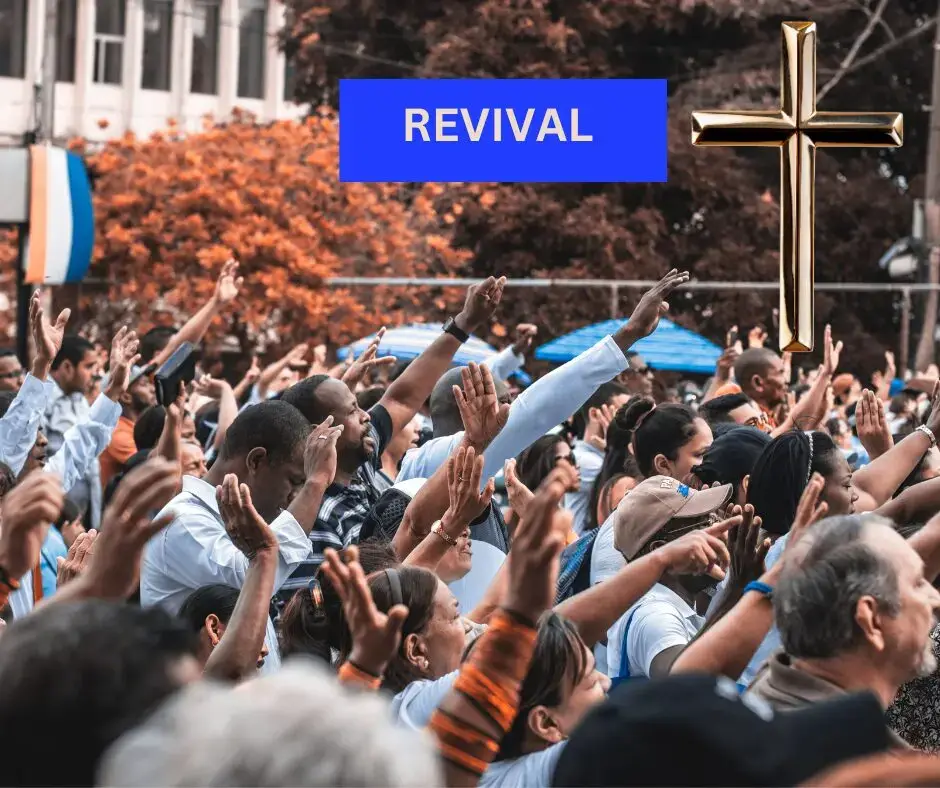
Understanding Christian Revival
A Christian revival is a period of renewed spiritual interest or awakening in the life of a church congregation or society, typically marked by increased religious fervor, conversions, and church growth. This phenomenon often includes dynamic preaching, passionate worship, and a strong sense of the presence of God. People experience a deep conviction of sin, resulting in genuine repentance and a commitment to following Jesus more closely.
Identifying a Christian Revival
A Christian revival is identified by several key features:
- Intense Prayer and Worship: People gather in large numbers, often spending hours in prayer and worship, seeking a deeper connection with Jesus.
- Widespread Repentance: There is a notable movement of people confessing their sins and seeking forgiveness.
- Spiritual Transformation: Individuals experience significant changes in their lives, leading to ethical and moral improvements.
- Growth of the Church: Increased attendance and participation in church activities, as well as new conversions to Christianity.
- Community Impact: The revival often influences the broader community, leading to social changes and a renewed sense of morality.
The Pensacola Revival
When and How It Occurred:
- When: The Pensacola Revival, also known as the Brownsville Revival, started on Father’s Day, June 18, 1995.
- How: It began at the Brownsville Assembly of God in Pensacola, Florida, under the leadership of Pastor John Kilpatrick and evangelist Steve Hill. The revival started with a powerful sermon and an extended time of worship that led to a profound sense of God’s presence. People began experiencing deep repentance and spiritual renewal, leading to nightly services that lasted for several years.
The Welsh Revival
When and How It Occurred:
- When: The Welsh Revival occurred in 1904-1905.
- How: It began with Evan Roberts, a young preacher, who experienced a deep burden for the spiritual state of his country. His passionate preaching and the fervent prayers of the people ignited a widespread revival. Meetings were marked by spontaneous singing, intense prayer, and a strong sense of the Holy Spirit’s presence. The revival quickly spread across Wales, drawing large crowds and leading to numerous conversions.
Duration of the Brownsville Revival
The Brownsville Revival lasted for about five years, from 1995 until around 2000, with the most intense period of activity occurring in the first two to three years.
The Asbury Revival
When and How It Occurred:
- When: The Asbury Revival has seen multiple significant occurrences, with notable ones in 1950, 1970, and most recently in February 2023.
- How: The revival typically starts during regular chapel services at Asbury University in Wilmore, Kentucky. In each instance, the revival was characterized by continuous worship, prayer, and testimonies of personal spiritual renewal. The spontaneous and student-led nature of these revivals, along with a palpable sense of the presence of Jesus, were key features.
Comparing the Welsh, Brownsville, and Pensacola Revivals
Similarities:
- Spiritual Intensity: All three revivals were marked by an intense experience of God’s presence and widespread spiritual renewal.
- Focus on Jesus: Each revival emphasized a personal relationship with Jesus, repentance from sin, and the transformative power of the Holy Spirit.
- Community Impact: They all had a profound impact on their respective communities, leading to moral and social changes.
- Widespread Participation: Large numbers of people attended the revival meetings, often resulting in crowded churches and extended services.
Differences:
- Geographical and Cultural Context: The Welsh Revival took place in Wales at the beginning of the 20th century, while the Brownsville Revival occurred in the United States at the end of the 20th century. The cultural and historical contexts influenced the nature and spread of each revival.
- Duration: The Welsh Revival was relatively short, lasting about a year, whereas the Brownsville Revival extended over five years.
- Leadership Style: The Welsh Revival was largely influenced by Evan Roberts’ vision and leadership, while the Brownsville Revival was led by a team including John Kilpatrick and Steve Hill, with a strong emphasis on collaborative ministry.
Impact on the Christian Faith
Welsh Revival:
- Spiritual Awakening: It brought a profound spiritual awakening to Wales, with estimates of over 100,000 conversions. Churches were revitalized, and many new ones were planted.
- Global Influence: The Welsh Revival influenced revivals worldwide, including the Azusa Street Revival in Los Angeles, which significantly impacted the Pentecostal movement.
Brownsville and Pensacola Revivals:
- Renewed Passion: These revivals ignited a renewed passion for Jesus among many Christians, leading to increased evangelism and missions.
- Healing and Deliverance: They were marked by numerous reports of physical healings and deliverance from addictions and other forms of bondage.
- Controversial Practices: Some practices and manifestations during the revivals were controversial, leading to debates within the broader Christian community about the nature of revival and spiritual experiences.
Asbury Revival:
- Student-Led Movement: The Asbury Revival has consistently been a student-led movement, emphasizing the power of prayer and personal testimonies. It has inspired many young people to pursue a deeper relationship with Jesus.
- Simplicity and Authenticity: Unlike some other revivals, the Asbury Revival is known for its simplicity and authenticity, with less focus on dramatic manifestations and more on quiet, heartfelt worship and repentance.
Conclusion
Christian revivals, whether in Wales, Pensacola, or Asbury, demonstrate the powerful and transformative impact of renewed spiritual fervor centered on Jesus. Each revival has its unique characteristics, but they all share a common thread of drawing people closer to Jesus, encouraging repentance, and fostering a deeper sense of community and moral integrity. These revivals remind us of the potential for profound spiritual renewal and the lasting impact it can have on individuals and society as a whole.