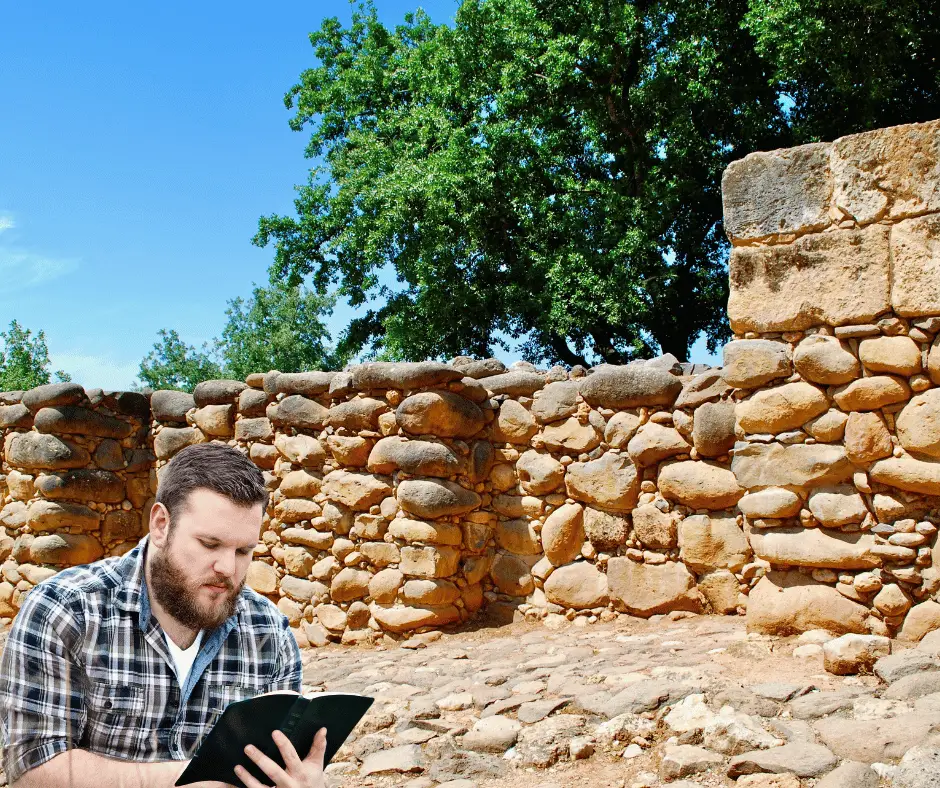
. The concept of walls is mentioned in various contexts throughout the Bible, symbolizing protection, separation, and sometimes even judgment. Here are seven examples:
Jericho’s Walls (Joshua 6):
The walls of Jericho were a formidable barrier for the Israelites as they entered the Promised Land. However, following God’s command, the walls miraculously fell after the Israelites marched around the city for seven days. This event demonstrates the power of faith and obedience to God’s guidance.
Walls of Jerusalem (Nehemiah 2-6): Nehemiah, a cupbearer to the Persian king, received permission to rebuild the walls of Jerusalem. The walls were in ruins, leaving the city vulnerable. Despite facing opposition and challenges, Nehemiah and the people successfully rebuilt the walls in 52 days. This story emphasizes the importance of unity and determination in overcoming obstacles.
Separation and Protection (Ezekiel 22:30): In Ezekiel, the concept of a wall is used metaphorically to highlight the need for a spiritual barrier between God and sin. The verse speaks of God seeking for a person to stand in the gap and build a wall to protect the land from judgment. This emphasizes the role of intercession and righteousness in maintaining a relationship with God.
The New Jerusalem (Revelation 21:12): In the book of Revelation, walls are mentioned in the description of the New Jerusalem. The city is described as having high walls with twelve gates, each guarded by an angel. These walls symbolize the security and sanctity of the heavenly city, ensuring that only those who belong to God enter.
Paul’s Ministry and Walls (2 Corinthians 10:4): In the New Testament, the apostle Paul uses the metaphor of walls in a different context. He speaks of spiritual warfare and the tearing down of strongholds. While not referring to physical walls, the concept illustrates the breaking down of barriers and ideologies that oppose the knowledge of God.
The Wall of Fire (Zechariah 2:5): In Zechariah, the prophet describes Jerusalem as a city without walls due to the multitude of people and livestock. However, the Lord promises to be a wall of fire around it, providing divine protection. This imagery signifies God’s supernatural safeguarding rather than relying on physical structures.
Division and Unity (1 Corinthians 1:10): Though not explicitly about walls, this verse addresses the importance of unity within the Christian community. Paul urges the Corinthians to be united in mind and thought, emphasizing the need to break down divisive walls that may hinder the harmony of the Church.
In summary, the Bible portrays walls in various contexts, symbolizing protection, separation, spiritual warfare, and even the ultimate security of the heavenly city. The narratives illustrate both the physical and metaphorical significance of walls in biblical teachings.