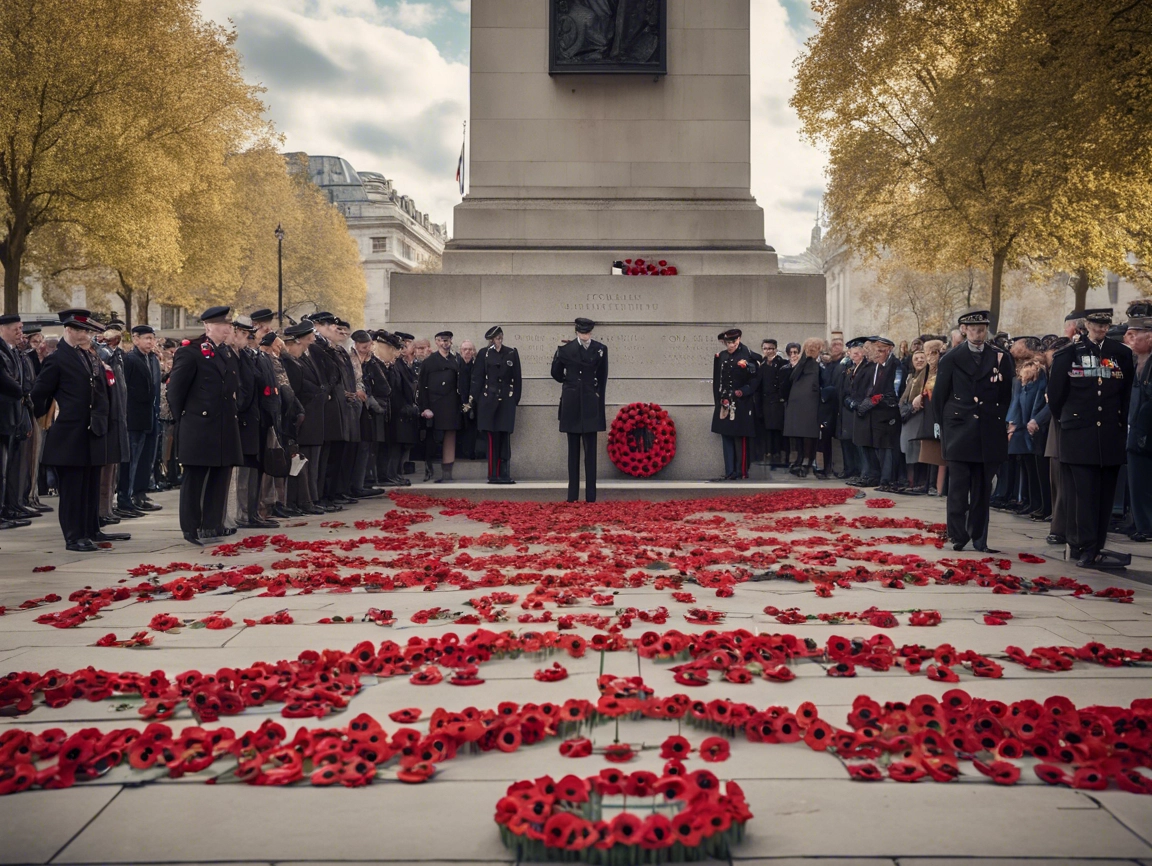
Remembrance Day
-Since World War I, the United Kingdom has lost a significant number of servicemen in various conflicts. Here’s a comprehensive overview of the casualties and related information:
Casualties Since World War I
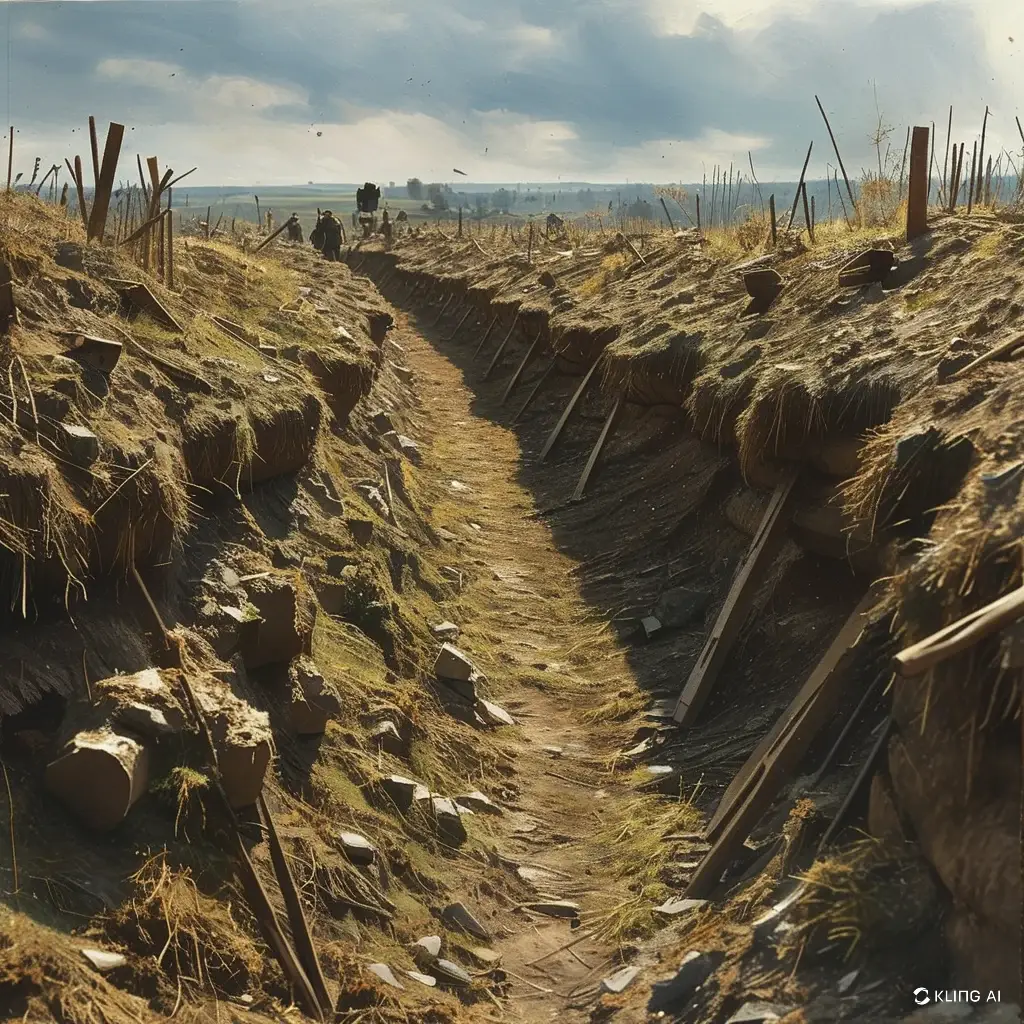
World War I resulted in 887,858 military deaths and 107,000 civilian deaths, totaling 994,858 British casualties[1]. In World War II, there were 383,700 military deaths and 67,100 civilian deaths, amounting to 450,900 casualties[1].
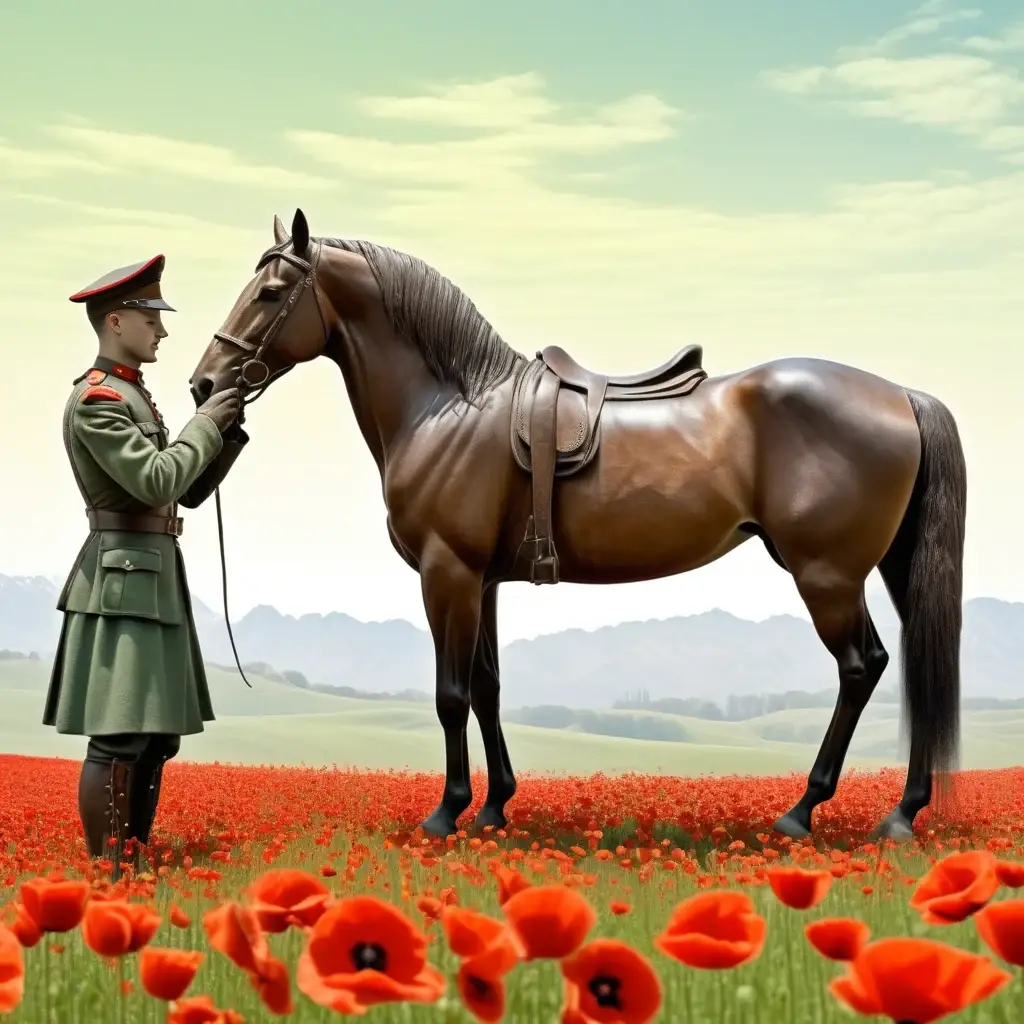
Since the end of World War II until February 2021, 7,190 UK armed forces personnel have died as a result of operations in medal-earning theatres[3]. Some notable post-WWII conflicts include:
– Malaya: 1,442 deaths
– Korea: 754 deaths
– Northern Ireland: 1,129 deaths
– Falklands: 237 deaths
World War II Veterans
While the number of World War II veterans is rapidly declining, there are still some alive today. However, as of 2024, most would be in their late 90s or over 100 years old.
There are still living World War II veterans in the United Kingdom, though their numbers are rapidly declining. Here’s what we know:
-
- As of 2024, it’s estimated that just under 70,000 World War II veterans remain alive in Great Britain1. This number is significantly lower than the 3.5 million who served during the war.
-
- The youngest World War II veterans would now be in their late 90s. For example, if someone was 18 years old at the end of the war in 1945, they would be 97 years old in 20241.
-
- One notable British World War II veteran is John Tinniswood, who is currently the world’s oldest man and the oldest male World War II veteran. Born in 1912, he is 111 years old as of 2024 and served in the Royal Army Pay Corps during the war1.
-
- There are still some veterans who participated in significant events of the war. For instance, Jim Glennie, who was 98 years old when interviewed, is one of the last surviving veterans who took part in the D-Day landings in 19443.
-
- The UK maintains a list of notable last surviving members of World War II veteran groups. This list includes individuals like Leonard Roy Chivers, the last surviving crew member of the HMS Kipling2.
It’s important to note that the number of living World War II veterans is decreasing rapidly. Each year, hundreds of these veterans pass away, making it increasingly rare to hear firsthand accounts of the war. This underscores the importance of recording and preserving their stories for future generations.
How many World War II veterans are still alive globally
What are the names of the last surviving World War II veterans from the UK
How many World War II veterans are estimated to remain alive in the UK
What are some notable contributions of British veterans in World War II
How has the number of surviving World War II veterans changed over the years

How Many WW2 Veterans Still Alive 2024? – YouTube
The Allies
“The Allies” refers to the coalition of nations that fought against the Axis powers (primarily Germany, Italy, and Japan) during World War II. The main Allied powers were the United Kingdom, the United States, and the Soviet Union.
Remembrance Day
Remembrance Day, observed on November 11th, and Remembrance Sunday, held on the second Sunday of November, commemorate British service members who have died in wars and other military conflicts since the onset of World War I[2]. While these days primarily focus on the World Wars, they also honor those who have fallen in subsequent conflicts.
The Cenotaph
The Cenotaph is a war memorial located in Whitehall, London. It serves as the centerpiece for the annual Remembrance Sunday service, which is attended by politicians, religious leaders, military personnel, and members of the British royal family[2].
Care for Injured Service Personnel
Today, injured service personnel receive various forms of support:
1. Medical care: The UK provides comprehensive medical treatment for injuries sustained during service.
2. Rehabilitation: Programs are available to help injured personnel recover and adapt to civilian life.
3. Mental health support: Services are offered for those dealing with PTSD and other mental health issues related to their service.
4. Financial assistance: Various schemes provide financial support to injured veterans.
Supporting Former Servicemen
There are several ways to support former servicemen:
1. Donate to veterans’ charities: Organizations like the Royal British Legion provide support to veterans and their families.
2. Volunteer: Many veterans’ organizations need volunteers for various activities and support services.
3. Employ veterans: Businesses can actively seek to hire veterans, valuing their skills and experience.
4. Raise awareness: Share information about veterans’ issues and support services available to them.
5. Participate in remembrance events: Attend local Remembrance Day services to show support and respect.
6. Support veteran-owned businesses: Patronize businesses owned or operated by veterans.
By engaging in these activities, we can help ensure that former servicemen receive the support and recognition they deserve for their sacrifices.
Citations:
[1] https://en.wikipedia.org/wiki/United_Kingdom_casualties_of_war
[2] https://www.britannica.com/topic/Remembrance-Sunday
[3] https://assets.publishing.service.gov.uk/media/6059cefa8fa8f545d995f161/20210325_UK_armed_forces_Operational_deaths_post_World_War_II-O.pdf
[4] https://en.wikipedia.org/wiki/Remembrance_Day
[5] https://www.parliament.uk/business/publications/research/olympic-britain/crime-and-defence/the-fallen/
[6] https://www.nam.ac.uk/explore/peace-and-commemoration